Call anytime

Call anytime
Write Email:
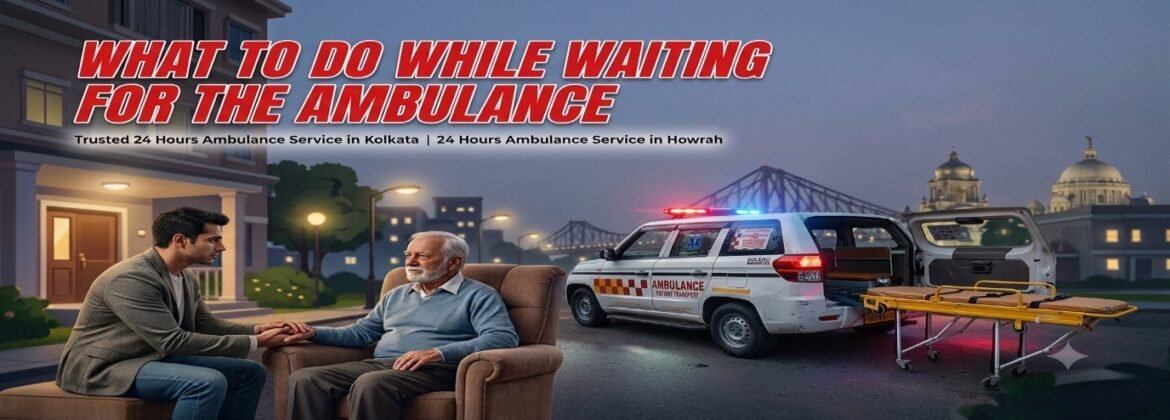
A medical emergency is one of the most stressful situations a person can experience. When a loved one is suddenly gasping for breath, clutching their chest, or slipping out of consciousness, panic is a natural reaction. Your first instinct is entirely correct: call for professional help immediately.
Fortunately, whether you are trying to secure a 24 hours ambulance service in Kolkata or a reliable 24 hours ambulance service in Howrah, medical help is always just a phone call away.
24 Hour Emergency Ambulance Services
However, the crucial minutes between the moment you disconnect the call and the moment the flashing lights arrive outside your door are vital. This time window is often called the “pre-hospital phase,” and what you do during these minutes can directly impact the patient’s recovery.
This comprehensive, step-by-step guide outlines exactly how to stay calm, manage the situation, and prepare the environment while waiting for an emergency medical team to arrive.
It sounds cliché, but maintaining your composure is the single most critical task. High stress and panic cause an immediate spike in blood pressure and heart rate. If the patient sees you panicking, their own anxiety will worsen, which can dangerously aggravate cardiovascular or respiratory symptoms.
When an emergency response team arrives at a congested residential complex or a traditional neighborhood, every second they spend navigating obstacles is a second lost for the patient.
When the paramedics arrive, they will immediately begin stabilizing the patient and will ask a flurry of highly specific questions. You can assist them immensely by compiling the patient’s medical profile in one place while you wait.
Knowing what not to do is just as critical as knowing what to do. Unless explicitly instructed by a certified doctor over the phone, follow these baseline first-aid protocols:
If the patient is unresponsive and not breathing normally, place them flat on their back on a firm surface. If you are trained in Cardiopulmonary Resuscitation (CPR), begin chest compressions immediately at a rate of 100 to 120 compressions per minute. If you are not trained, the emergency call dispatcher can guide you through hands-only CPR until the ambulance arrives.
If the emergency involves a severe cut, accident, or heavy bleeding, apply firm, continuous pressure directly to the wound using a clean cloth, sterile gauze, or a fresh towel. Keep the pressure applied constantly—do not lift the cloth repeatedly to check if the bleeding has stopped.
Finding an exact address in sprawling urban layouts, narrow lanes, or crowded apartment blocks can sometimes delay even the fastest emergency vehicles.
When navigating a sudden medical crisis in the twin cities, having a reliable transport network makes all the difference. Reliable providers offer specialized life-support options tailored to the patient’s condition:
| Type of Ambulance Service | Best Suited For | Critical Equipment Onboard |
|---|---|---|
| Basic Life Support (BLS) | Stable patients, minor fractures, or routine non-emergency hospital transfers. | Patient cot, oxygen cylinders, basic first-aid kits. |
| Advanced Life Support (ALS) | Severe cardiac distress, stroke symptoms, or major trauma. | Advanced cardiac monitors, defibrillators, intubation tools. |
| Ventilator / ICU Ambulance | Critically ill patients requiring constant life support between facilities. | Transport ventilators, syringe pumps, continuous multi-para monitoring. |
Knowing that a trusted 24 hours ambulance service in Kolkata or a dedicated 24 hours ambulance service in Howrah is fully equipped to handle these variations gives families immense peace of mind during their toughest hours.
An emergency is unpredictable, but your response to it doesn’t have to be. By remaining calm, clearing a physical path, organizing medical documents, and assigning someone to guide the driver, you effectively join the first-responder chain. Your proactive care forms the golden bridge that keeps a patient safe until professional medical hands take over.
Keep your local emergency numbers saved on your phone, stay informed, and remember that being prepared is the ultimate form of protection for the people you love.

Professional Content Writer & Technology Specialist Bringing a unique blend of analytical precision and engaging storytelling, I am a professional content writer with a degree in Computer Science. As a recent graduate, I specialize in translating complex technical concepts into clear, high-converting copy, impactful blog posts, and authoritative brand messaging. Whether breaking down intricate software workflows or crafting targeted local SEO content, I combine structural logic with creative strategy to help brands build trust, drive organic traffic, and connect authentically with their audience.